

Specialized commodities need specialized expertise.
No two commodities ship the same way, and getting temperature, handling, or regulatory details wrong can be costly. From dry and perishable foods, seed and nursery stock to beverages, manufacturing equipment and paper products, JTS builds a plan around your freight’s needs, so it arrives on time, in spec, and ready for business.
Safely handling temperature-controlled commodities since 1971.
Handling and temperature procedures are confirmed with every carrier, seal procedures are agreed to before the load moves, and our team follows it through to delivery.
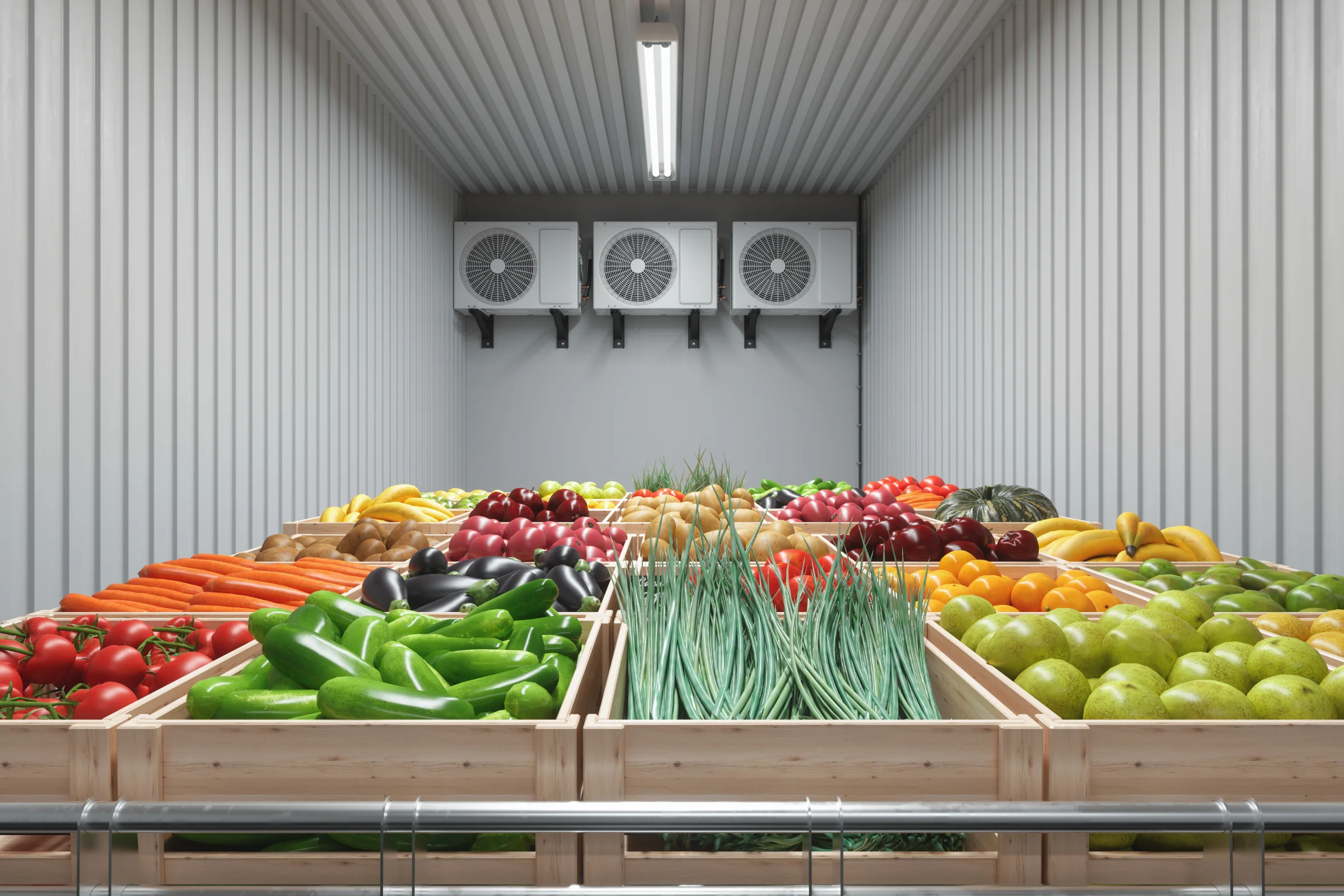
Produce
Harvest to dock at the right temperature. Time and temperature-sensitive loads are coordinated from packing house to the receiver, with handling procedures confirmed before the load moves.See how we handle it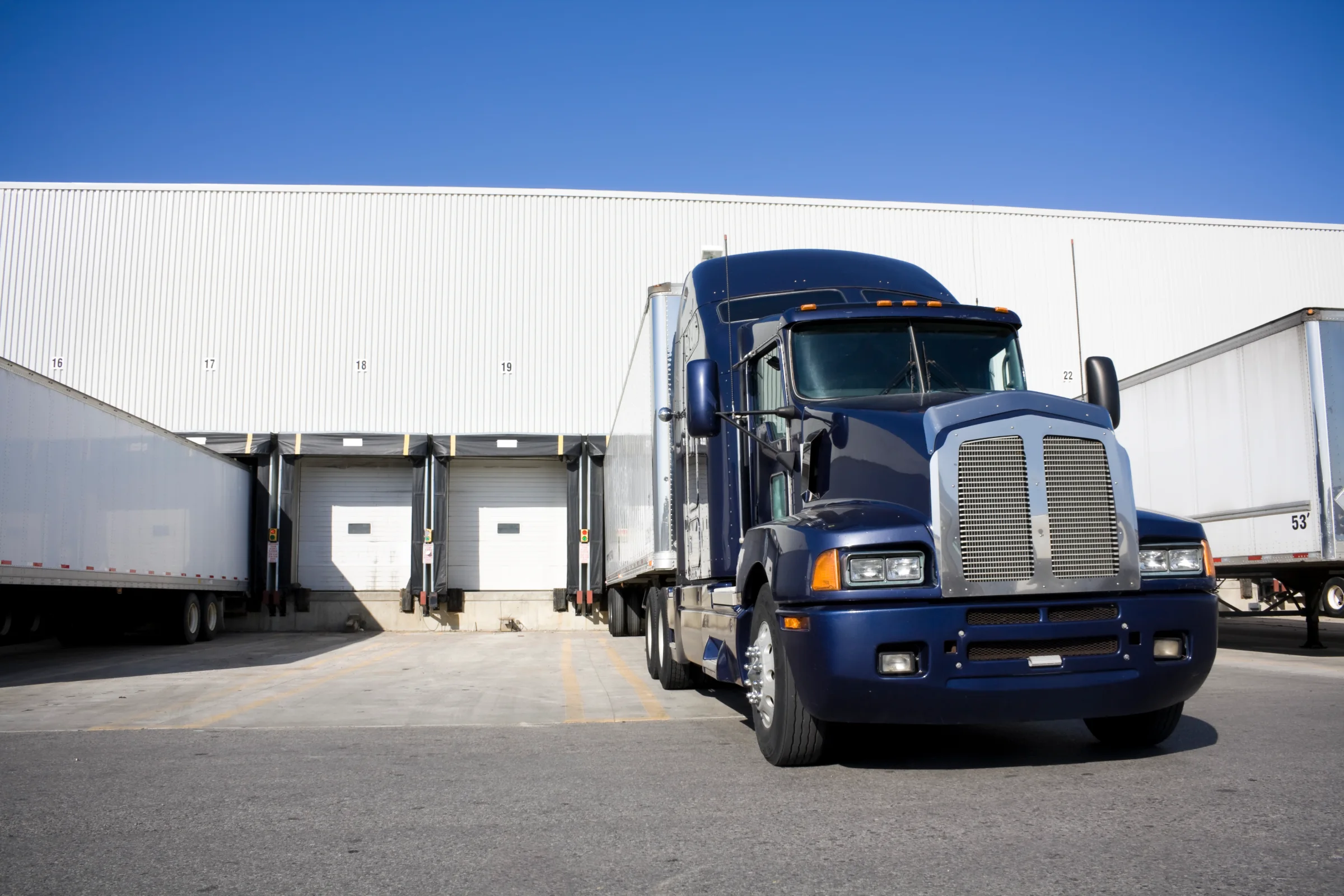
Temperature-Controlled
Temperature-controlled capacity arranged across every mode we offer, with temperature requirements agreed to and communicated to the carrier.See how we handle it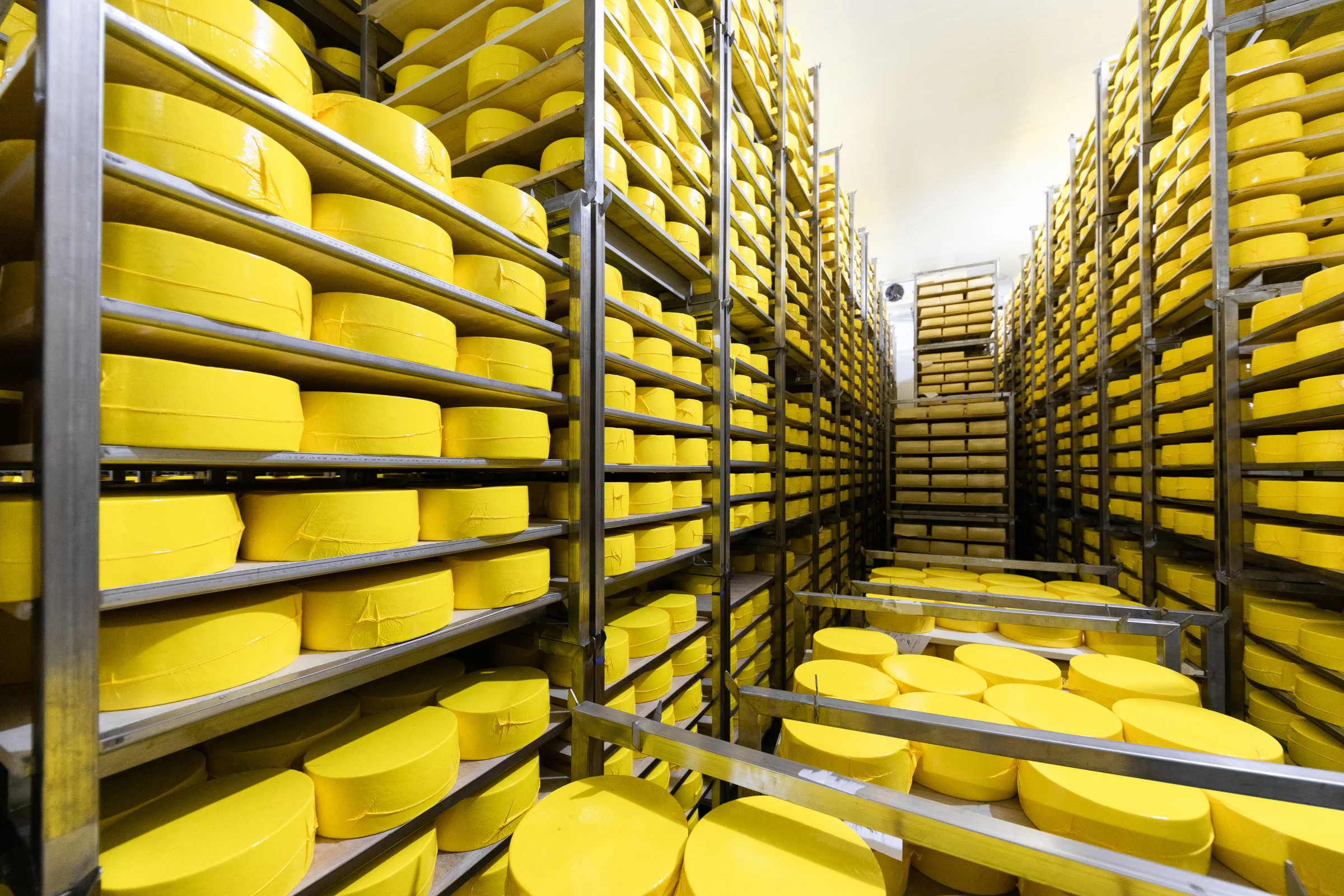
Dairy
Strict, continuous temperature control for refrigerated and frozen items is required. Loads are matched with carriers who provide clean, pre-cooled, food-grade reefers.See how we handle it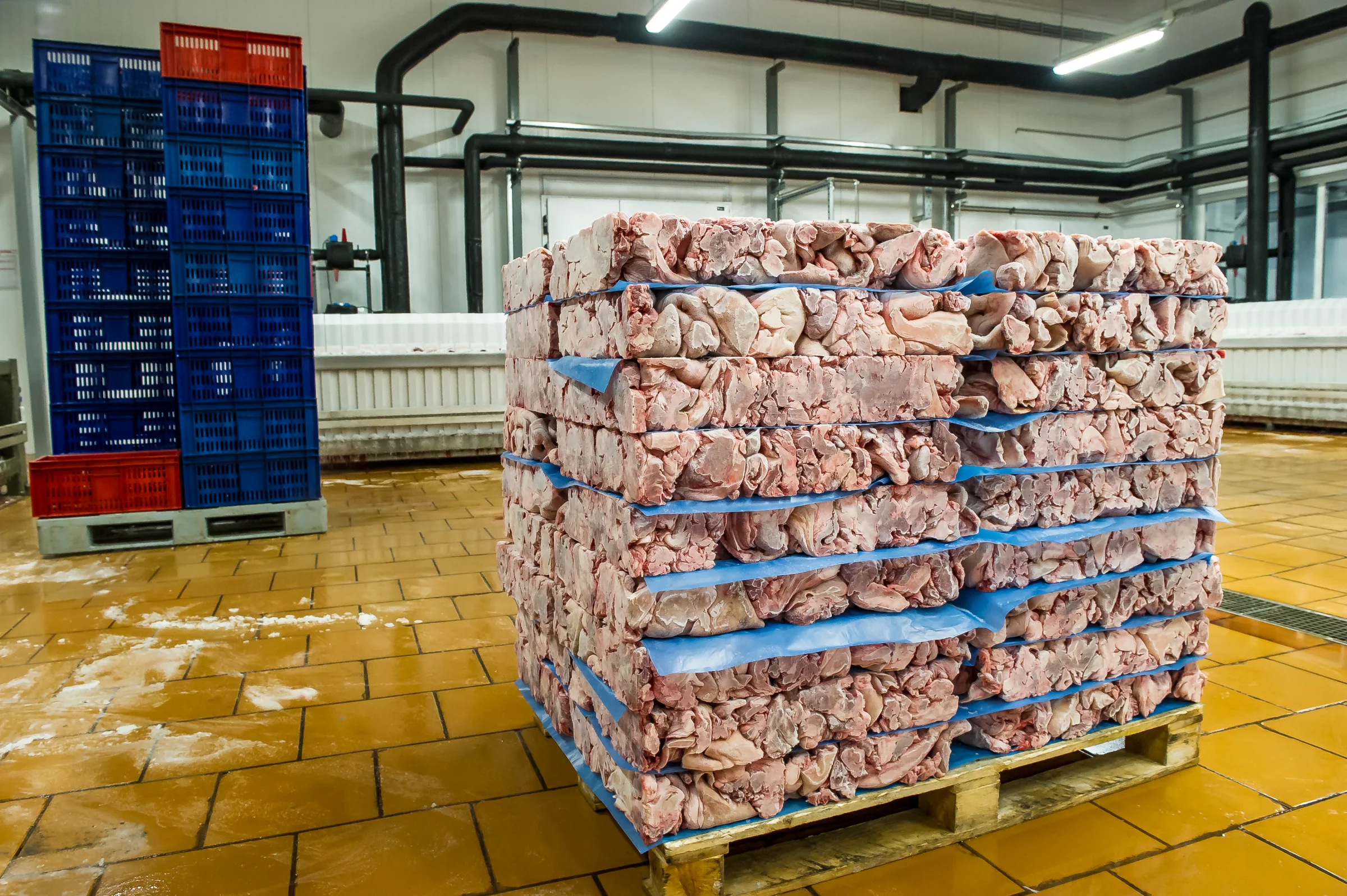
Meat & Poultry
Fresh and frozen shipments between processors and their distribution centers, warehouses and grocery stores, coordinated quickly and cost-effectively.See how we handle it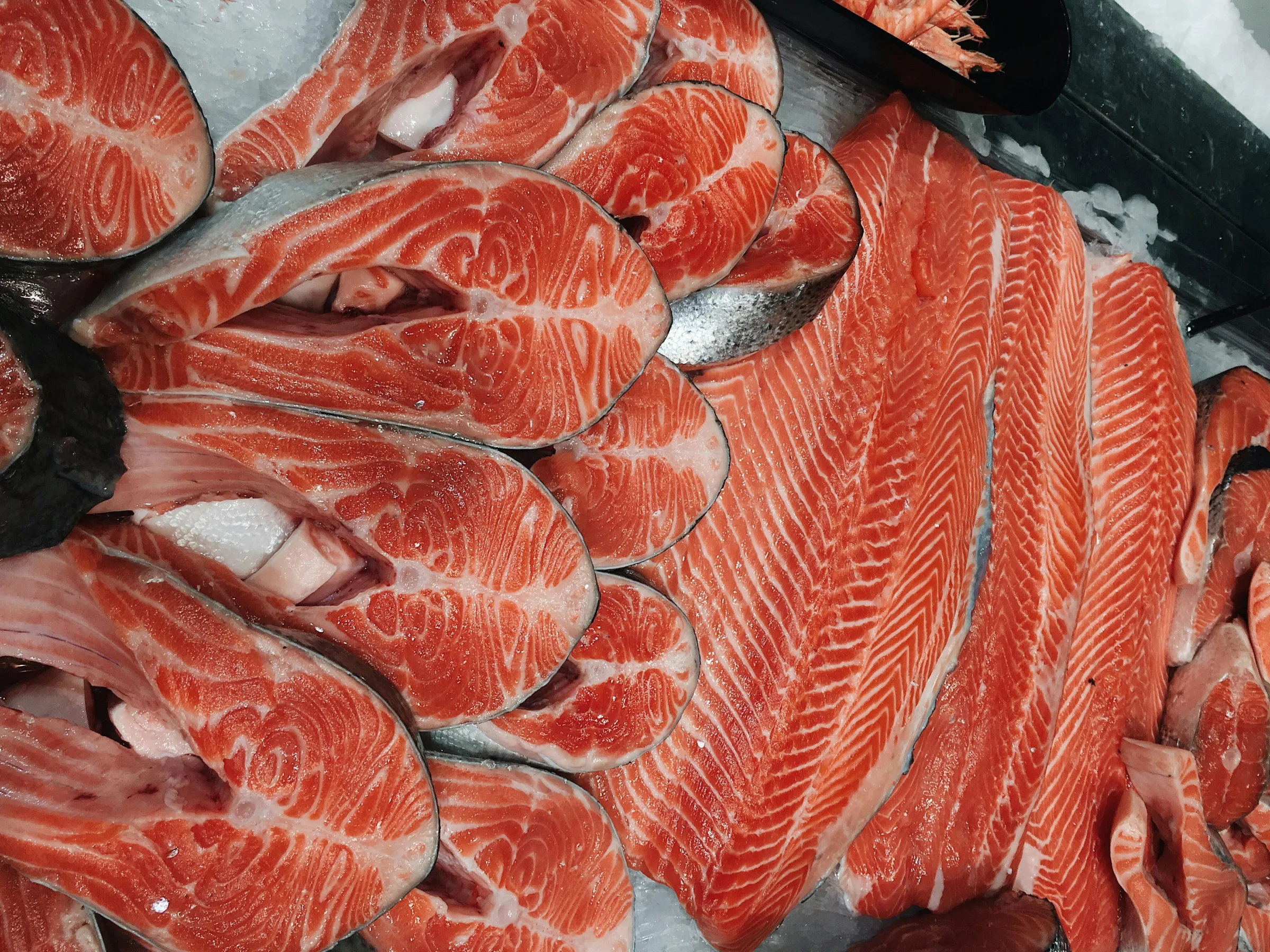
Seafood
For distributors, importers, exporters and wholesalers, moving virtually any seafood product to your customers in 53-foot temperature-controlled trailers.See how we handle it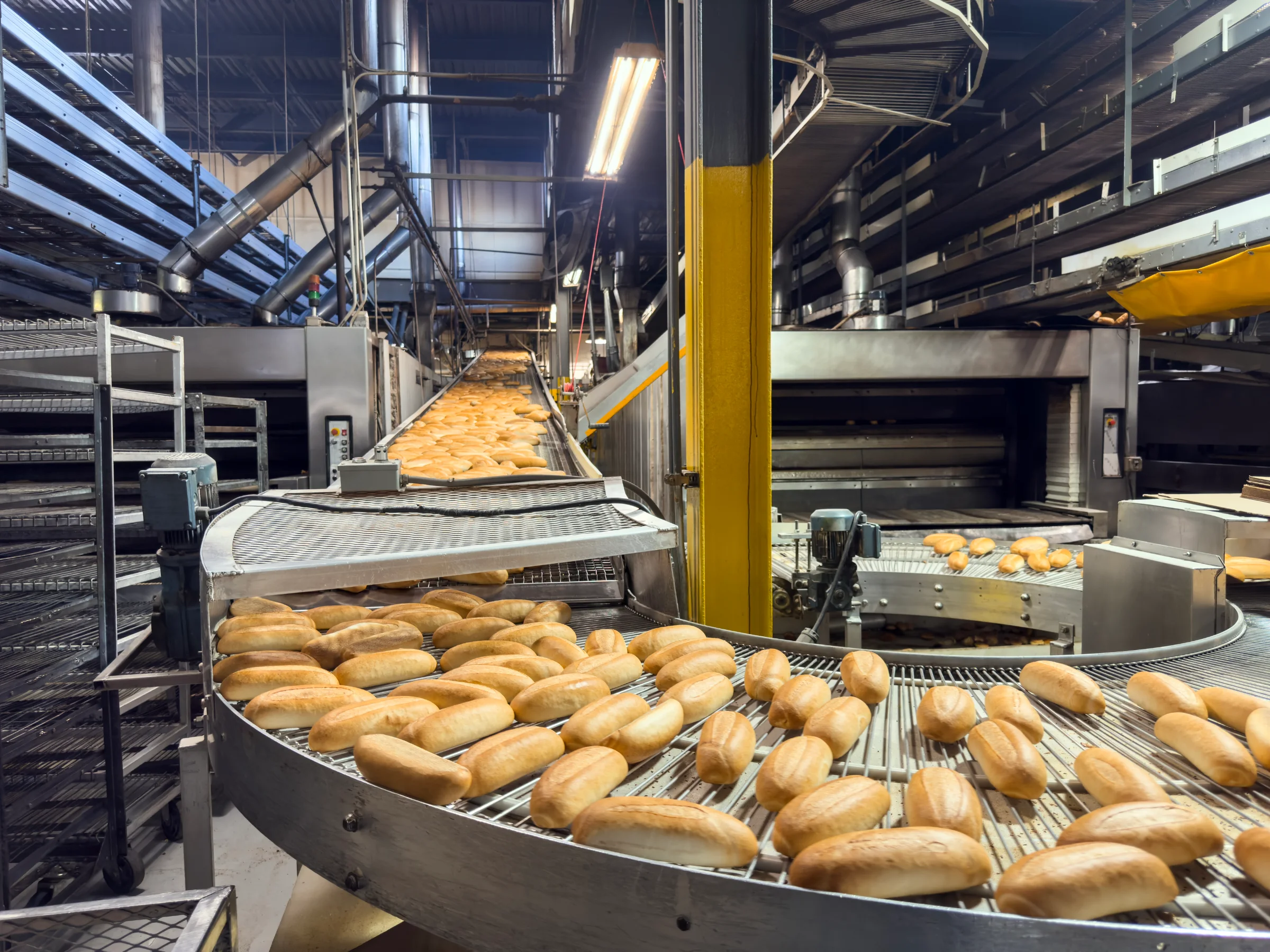
Bakery
Dry, fresh and frozen bakery products between manufacturers, DCs and warehouses, with loading instructions conveyed and pick-ups closely monitored.See how we handle it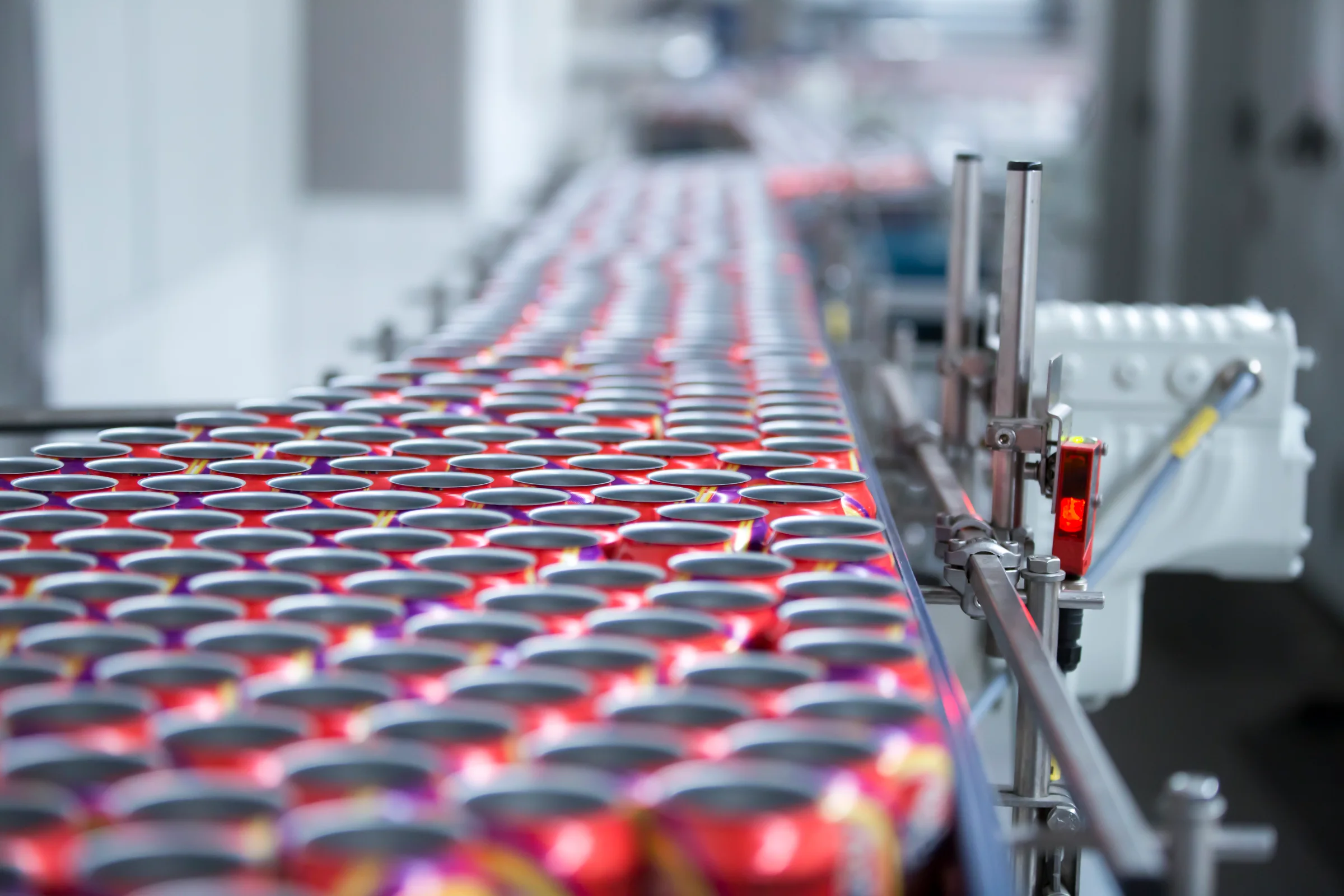
Beverage
Dry, fresh and frozen beverages between manufacturers, DCs and warehouses, with rail intermodal as a cost-effective option when transit times are flexible.See how we handle it
Wine & Spirits
High value loads with a narrow temperature band are coordinated with carriers who are experienced in moving beer, wine and other alcoholic beverages safely and securely.See how we handle it
A Shipper’s Guide to Moving Temperature-Controlled Freight
By Jeff Mosqueda, VP of Corporate Sales
Typical temperature ranges, key loading guidelines, what to look for in a cold chain partner, FSMA 204 and CARB reefer rules, and a shipper’s checklist.
Not everything needs a reefer.
Non-perishable freight runs through its own division, with the same vetting and the same visibility.

Spice & Food Ingredients
Imported spices and bulk food ingredients get protection with clean, food-grade trailers and careful load matching so ingredients arrive as fresh and pure as when they left.See how we handle it
Seed
Through seasonal peaks, we find capacity to get agricultural, grass and turf seed to its destination, in the time frame it has to arrive.See how we handle it
Nursery
Live plants, trees and shrubs require proper temps, ventilation and transit-time requirements specific to the species and flexibility for just in time deliveries.See how we handle it
Forestry & Paper
Forestry and paper products from manufacturing plants to retail centers, packaging facilities and processing plants, on dry van, conestoga and curtain-side trailers.See how we handle it
Manufacturing
Heavy equipment, motor vehicle parts, industrial machinery and the raw materials that keep a supply chain running, across every mode we offer.See how we handle it
Non-Perishable
CPGs, dry food and beverage, building products, home goods…they all need clean, dry, well-maintained trailers to protect from weather and contamination. Proper loading, equipment matching and tracking are all part of the process.See how we handle itSomething else?
Fourteen pages do not cover every commodity. Tell us what you move and we will tell you honestly whether we are the right fit.Ask us
Reading for the commodity you ship.
Guidebooks written by the people who run our divisions. Each one opens instantly after one short form.
10 Things to Ask When Choosing a 3PL to Manage Your Food Supply Chain
Ten questions to put to any 3PL before you hand over food and beverage freight, from carrier vetting to capacity in a crunch.
Which Mode to Go? Differences Between OTR & Intermodal Freight
Cost, distance, transit, equipment and risk compared side by side.
Freight Class Handbook
A shipper's guide to getting LTL freight class right the first time, with a density calculator.
For a quote on your next shipment, talk to a specialist.
Send it through the contact form and somebody who knows your commodity will pick it up.