


Rail intermodal for the long haul.
Long-haul, secure, cost-saving temp-controlled and dry rail intermodal across North America with consistent transit times and daily tracking.
- Days coast-to-coast
- 8–10
Days coast-to-coast
- Days West Coast to Midwest
- 5–7
Days West Coast to Midwest
- Dry stacktrain containers nationwide
- 53 ft ft
Dry stacktrain containers nationwide
- 5+ decades of proven success
- 1971
5+ decades of proven success
We keep your freight on the right track.
When shipping finished goods or raw material around the country, turn to JTS for extensive, flexible transportation solutions. JTS has strategic alliances with the most credible intermodal, rail, ocean, and drayage companies and is a member of the Intermodal Association of North America (IANA).
- Closely monitor pick-ups and convey loading instructions.
- Competitive pricing.
How rail intermodal works
Intermodal freight transportation involves loading freight in a secure container and moving it via truck and rail. Rail intermodal benefits include:
- Reduced handling, more security, less risk of damage, potential for savings compared to traditional OTR, and the fastest unencumbered transit schedules.
Transit times are consistent
- 8 to 10 days coast-to-coast.
- 5 to 7 days West Coast to Midwest.
- Door-to-door services and access to all major ports, rail ramps and consumer markets in North America, including some points in Canada and Mexico.
Rail intermodal equipment
JTS partners with numerous transportation providers to utilize tens of thousands of available rail and asset carrier-owned equipment:
- 43,500 pounds or less.
- 53-foot dry stacktrain containers nationwide.
- 40′ ISO boxes for westbound service only.
- Dry containers are mainly used, but temperature-controlled boxes are popular and available in certain lanes.

Rail Intermodal credentials and memberships.
 BBB Accredited BusinessA+ rating
 TIA memberTransportation Intermediaries Association
 IANA memberIntermodal Association of North America
In their words.
“As a Senior Logistics Coordinator in juice manufacturing, I value transportation partners who consistently deliver reliability, competitive pricing, and exceptional service. JTS has proven to be a trusted partner, particularly on our intermodal lane from California to Maryland.
Their team is focused, dependable, and committed to maintaining a strong business relationship. Their consistent performance, competitive rates, and dedication to meeting our transportation needs have made them a valued partner year after year.
JTS continues to earn our business through their reliability, professionalism, and ability to provide the value and service we expect from a long-term transportation partner. I appreciate the relationship we have built and look forward to continuing our partnership.”
What shippers ask us about rail intermodal.
Dry and temperature-controlled freight that loads into a secure rail or international ISO container and moves by drayage tractor from an origin shipper/receiver to a rail ramp, then via railroad service to destination rail ramp and drayage tractor delivered. The sealed freight stays in the same container the entire trip.
Containers are sealed at origin and generally handled less than LTL freight. Rail intermodal is a secure mode, but proper loading, blocking and bracing matter because of rail movement. JTS can guide you through the loading, blocking and bracing methods for your freight.
Typically up to 43,500 lbs., depending on tractor, chassis, and container weights and federal and state weight regulations.
Dry and temperature-controlled, non-fragile freight with a flexible timeline traveling generally 500 miles or more. Commonly shipped commodities are inbound raw materials and outbound finished goods, agricultural products, food and beverages, industrial and manufacturing goods and equipment, and packaging material.
Initially, you will receive a door-to-door rail intermodal rate, which includes two hours free time at origin, two hours free time at destination, no driver touch. Common accessorial fees may include excess time, lumper or labor at origin or destination, railroad detention and storage at the ramp and fuel surcharges.
Intermodal is often less expensive than over-the-road truckload on long-haul lanes. Savings vary by lane, season, and fuel prices, so ask JTS for a side-by-side, OTR versus rail intermodal rate quote.
Other ways we can arrange it.

Truckload
Dedicated capacity across the U.S., Canada and Mexico, with temp-controlled, dry van, flatbed, step deck, and curtain-side options, all monitored closely.Explore truckload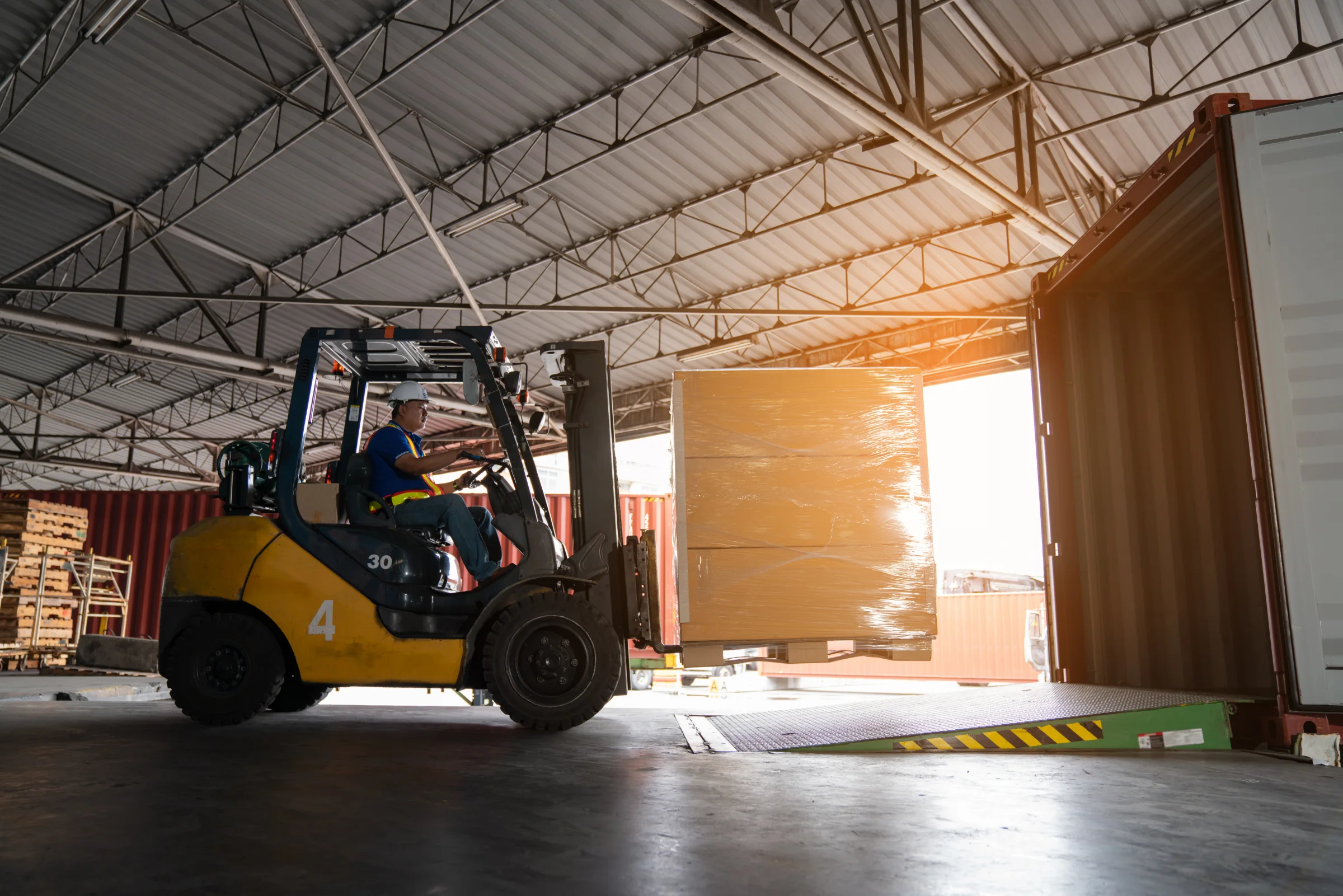
LTL
Competitive pricing and reliable transit on dry and temperature-controlled freight using common carriers, freight consolidation, and pool distribution – all managed inside arriviture® TMS.Explore LTL
International
Ocean and air freight, drayage, import/export with a licensed ocean freight forwarder and NVOCC who handles it all.Explore international
Expedited
Cargo, sprinter vans, box trucks, straight trucks, hotshots, air charters – for when it has to get there quickly. Team drivers and white glove service offered.Explore expedited
For a quote on your next shipment, talk to a specialist.
Send it through the contact form and somebody who knows your commodity will pick it up.